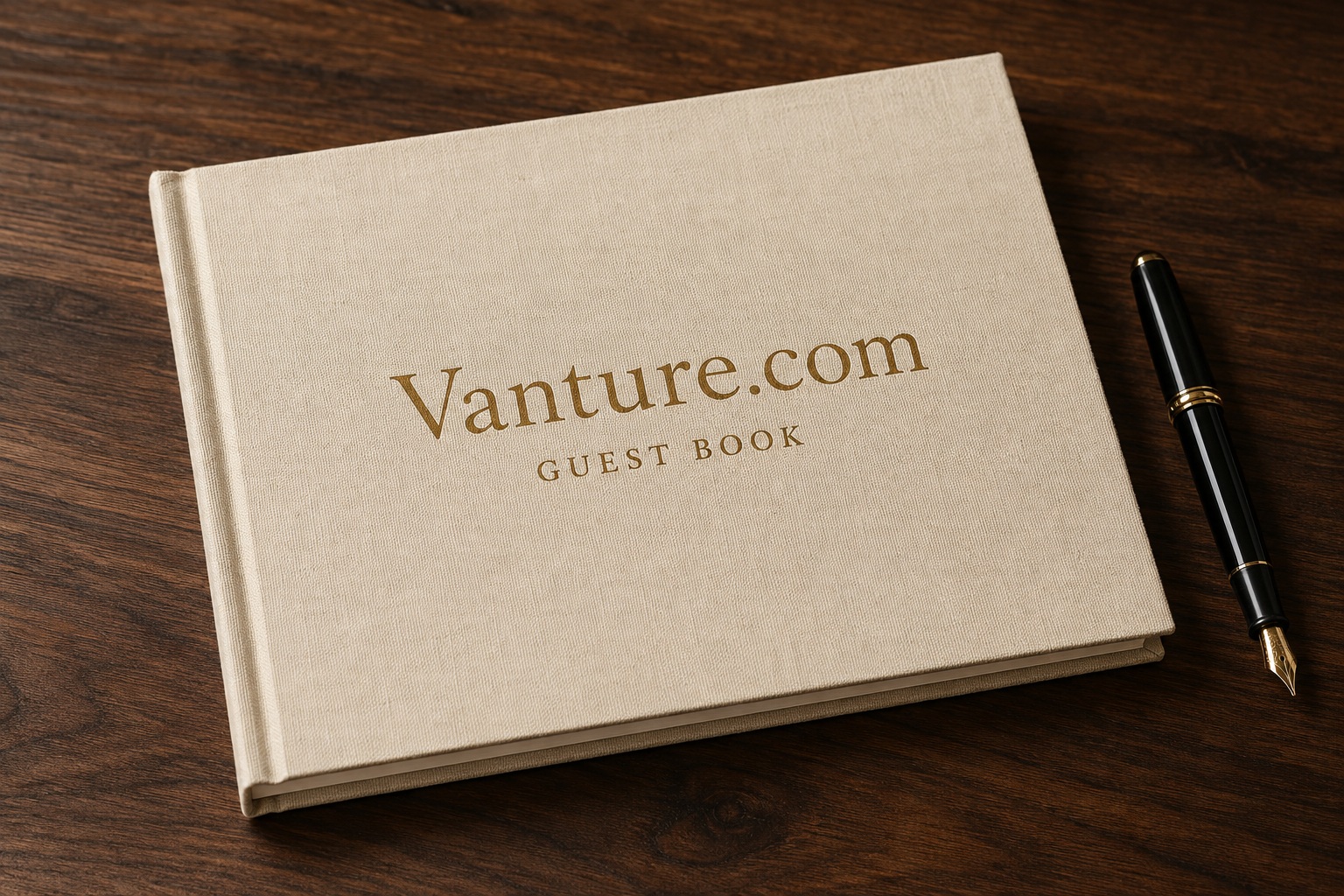
My version of Vanture as a destination begins with an old building that already knows where it is. It might be a former inn near a trailhead, a weathered house above a working harbor, or a modest lodge at the edge of a town people usually hurry through. I would not erase that history to install a generic luxury interior. Vanture would be the new chapter, not a costume placed over the old one. The original floors could remain uneven. Local stone, timber, tile, and textiles would set the palette. The rooms would be comfortable, but the lasting impression would come from the care taken with the whole stay: a light left on for a late arrival, breakfast that belongs to the region, a map drawn by someone who has actually walked the route, and a host who knows when to help and when to leave a guest alone.
The destination would be small enough to have a point of view. I imagine between eighteen and thirty rooms, each different because the building is different, but held to the same standard of sleep, water pressure, quiet, and light. There would be no room categories with invented superlatives. Guests could choose by honest particulars: a corner room with two windows, a garden room with a terrace, a narrow room for a solo traveler, or a family room near the back stair. Photographs would show the real dimensions. A person booking Vanture should know what they are buying and still discover something on arrival. Hospitality loses some of its pleasure when every moment is advertised in advance. The company could promise essentials precisely and let the place provide the surprise.
I would organize the public rooms around the rhythms of a day rather than the demands of a lobby. In the morning, the long table would serve bread, eggs, fruit, and one local dish done well. By afternoon it could hold maps, newspapers, and the evidence of people planning where to go next. In the evening, lamps would lower and a short menu would come from the same kitchen. A small room off the entrance might sell useful provisions: rain layers, field glasses, notebooks, chocolate, a locally made cup, and a bottle chosen for a picnic. None of this needs to become a sprawling retail concept. The aim is to remove minor friction from a guest’s day while introducing the people and materials of the surrounding place.
The central product would not be the room. It would be the feeling of having landed somewhere with a capable base. Before arrival, Vanture could ask one good question: what do you hope to do while you are here? A hiker might receive current trail conditions and a packed breakfast time. A couple who wants no plan could be pointed toward a road with three worthy stops and no reservation. A writer could be given the quiet room rather than the photogenic one. Families might find a box of games and a list of places where children can move freely. Service becomes memorable when it responds to the actual trip. The hotel would keep notes with discretion, using them to be considerate rather than to perform familiarity.
I would want Vanture to belong to local residents as well as visitors. The dining room might reserve several tables for neighbors. Once a month, someone from the area could host a walk, a supper, or a practical workshop. The calendar would avoid the usual parade of branded “experiences.” A boatbuilder explaining the harbor, a botanist leading a morning on the headland, or a baker teaching one regional loaf already has enough interest. Vanture’s job would be to pay them fairly, keep the group small, and handle the details. This approach prevents the destination from treating its setting as scenery. It also gives guests a way to encounter local knowledge without asking residents to become characters in a visitor’s story.
Seasonality should be part of the business rather than a problem hidden behind promotions. If winter is quiet, Vanture could become quieter with it. Rates might fall, the restaurant might open fewer nights, and the program could turn toward reading weekends, long walks, and shared suppers. Staff would need contracts and complementary work that make the year viable; a hospitality company cannot claim warmth while treating its people as disposable. Some team members might help produce the house provisions, maintain the property, or work on an annual guide during the slow months. The best hosts would return each season and recognize returning guests. That continuity is difficult to fake and more valuable than an elaborate loyalty scheme.
The name could eventually travel, but I would wait. A second Vanture should not be opened because the first one photographs well. It should come only after the team understands which parts of the experience are principles and which belong to that single building. The principles might be honest restoration, excellent sleep, local knowledge, useful provisions, and unforced service. The expression could change completely by location. A desert Vanture would not import wool blankets and maritime stripes from a northern coast. It would learn its own shade, materials, food, and pace. The shared name would tell guests to expect judgment and care, not matching furniture.
There is a publishing idea inside the destination, too. Each property could make a small, durable field guide written with residents: where to walk at different times of day, what the weather changes, which businesses reward a detour, what visitors commonly misunderstand, and how to act respectfully in fragile places. It should be edited, printed, and sold at cost or included with a stay. Online versions could be updated without turning every recommendation into an affiliate link. A guest might keep the guide long after the booking email disappears. That object would make the name useful outside the property and demonstrate that Vanture pays attention beyond its own front door.
I can see the final scene clearly: a guest returns from a wet afternoon, leaves boots near a warm bench, writes tomorrow’s plan in the margin of the house map, and asks for the same table as last night. Nothing in that scene requires spectacle. It requires a sequence of good decisions made by people who understand the place and have permission to care for it. Vanture sounds to me like somewhere one can arrive, but the name alone cannot make a destination. The business would have to turn that suggestion into memory, one room, meal, recommendation, and welcome at a time. If it succeeds, people would say “we stayed at Vanture” as naturally as they name a place on the map.